array(11) {
  ["type"]=>
  string(4) "team"
  ["back_link"]=>
  string(44) "https://moreincommonus.com/team/nadia-chung/"
  ["back_title"]=>
  string(4) "Blog"
  ["publication_cta_left_title"]=>
  string(20) "Download Full Report"
  ["publication_cta_left_content"]=>
  string(117) "Explore the depth of our research at your fingertips. Get the complete insights by downloading the full report today."
  ["publication_cta_left_link"]=>
  string(1) "#"
  ["publication_cta_right_title"]=>
  string(26) "Sign Up for Our Newsletter"
  ["publication_cta_right_content"]=>
  string(221) "What unites and divides Americans today? This newsletter takes a closer look at issues pressing on America’s social and political fabric and provides recommendations for how to strengthen ties to keep us bound together."
  ["publication_cta_right_link"]=>
  string(34) "https://moreincommon.substack.com/"
  ["breadcrumb"]=>
  string(238) "<div id="breadcrumbs"><span><span><a href="https://moreincommonus.com/">Home</a></span> / <span><a href="https://moreincommonus.com/team/">Team</a></span> / <span class="breadcrumb_last" aria-current="page">Nadia Chung</span></span></div>"
  ["post"]=>
  array(36) {
    ["ID"]=>
    int(10260)
    ["post_author"]=>
    string(1) "7"
    ["post_date"]=>
    string(19) "2026-06-30 13:46:45"
    ["post_date_gmt"]=>
    string(19) "2026-06-30 13:46:45"
    ["post_content"]=>
    string(641) "<!-- wp:paragraph -->
<p>Nadia Chung is a Research Associate at More in Common with a background in the study of democratic governance, political communication, and public opinion. Her experiences researching democratic deliberation at Stanford, public attitudes toward governance in Europe, and labor and representation in the performing arts have shaped her interest in how people navigate disagreement, forge connections, and build lasting trust across difference. She holds a B.A. in Political Science and an M.A. in Communication from Stanford University.</p>
<!-- /wp:paragraph -->

<!-- wp:paragraph -->
<p></p>
<!-- /wp:paragraph -->"
    ["post_title"]=>
    string(11) "Nadia Chung"
    ["post_excerpt"]=>
    string(0) ""
    ["post_status"]=>
    string(7) "publish"
    ["comment_status"]=>
    string(6) "closed"
    ["ping_status"]=>
    string(6) "closed"
    ["post_password"]=>
    string(0) ""
    ["post_name"]=>
    string(11) "nadia-chung"
    ["to_ping"]=>
    string(0) ""
    ["pinged"]=>
    string(0) ""
    ["post_modified"]=>
    string(19) "2026-06-30 13:46:46"
    ["post_modified_gmt"]=>
    string(19) "2026-06-30 13:46:46"
    ["post_content_filtered"]=>
    string(0) ""
    ["post_parent"]=>
    int(0)
    ["guid"]=>
    string(55) "https://moreincommonus.com/?post_type=team&#038;p=10260"
    ["menu_order"]=>
    int(1)
    ["post_type"]=>
    string(4) "team"
    ["post_mime_type"]=>
    string(0) ""
    ["comment_count"]=>
    string(1) "0"
    ["filter"]=>
    string(3) "raw"
    ["ancestors"]=>
    array(0) {
    }
    ["page_template"]=>
    string(0) ""
    ["post_category"]=>
    array(0) {
    }
    ["tags_input"]=>
    array(0) {
    }
    ["meta"]=>
    array(7) {
      ["pronouns"]=>
      string(0) ""
      ["title"]=>
      string(18) "Research Associate"
      ["linkedin"]=>
      string(0) ""
      ["twitter"]=>
      string(0) ""
      ["favorite_finding"]=>
      string(1041) "<div>
<div>
<div>
<div>
<div>
<p>Democrats and Republicans overestimate the proportion of their political opponents who hold extreme views by nearly a factor of two. On average, Americans believe that 55% of members of the opposing party hold extreme views, when in reality the figure is closer to 30%.</p>
<p><b>Source: </b>The Perception Gap: How False Impressions Are Pulling Americans Apart</p>
<p><b>Why:</b> Meaningful disagreement is an essential part of democratic life, but the belief that those who disagree with us are fundamentally extreme or unreasonable can make democratic engagement itself feel futile. What I find so compelling about this finding is that it suggests polarization may be fueled not only by our genuine differences, but also by the stories we tell ourselves about one another. If our misperceptions can create so much distance between us, then challenging that distortion through greater understanding may also hold the potential to bring us closer together.</p>
</div>
</div>
</div>
</div>
</div>"
      ["publication_1"]=>
      string(0) ""
      ["publication_2"]=>
      string(0) ""
    }
    ["meta_lists"]=>
    array(0) {
    }
    ["image_description"]=>
    string(0) ""
    ["image_alt"]=>
    string(0) ""
    ["image"]=>
    string(72) "https://moreincommonus.com/wp-content/uploads/2026/06/Nadia-Headshot.png"
    ["image_id"]=>
    int(10261)
    ["link_url"]=>
    string(44) "https://moreincommonus.com/team/nadia-chung/"
    ["terms"]=>
    array(2) {
      ["team_category"]=>
      array(1) {
        [0]=>
        object(WP_Term)#2684 (11) {
          ["term_id"]=>
          int(5)
          ["name"]=>
          string(4) "Team"
          ["slug"]=>
          string(4) "team"
          ["term_group"]=>
          int(0)
          ["term_taxonomy_id"]=>
          int(5)
          ["taxonomy"]=>
          string(13) "team_category"
          ["description"]=>
          string(0) ""
          ["parent"]=>
          int(0)
          ["count"]=>
          int(16)
          ["filter"]=>
          string(3) "raw"
          ["term_order"]=>
          string(1) "1"
        }
      }
      ["location_category"]=>
      array(1) {
        [0]=>
        object(WP_Term)#2681 (11) {
          ["term_id"]=>
          int(37)
          ["name"]=>
          string(12) "New York, NY"
          ["slug"]=>
          string(11) "new-york-ny"
          ["term_group"]=>
          int(0)
          ["term_taxonomy_id"]=>
          int(37)
          ["taxonomy"]=>
          string(17) "location_category"
          ["description"]=>
          string(0) ""
          ["parent"]=>
          int(0)
          ["count"]=>
          int(4)
          ["filter"]=>
          string(3) "raw"
          ["term_order"]=>
          string(2) "18"
        }
      }
    }
  }
}

Nadia Chung

Research Associate

New York, NY

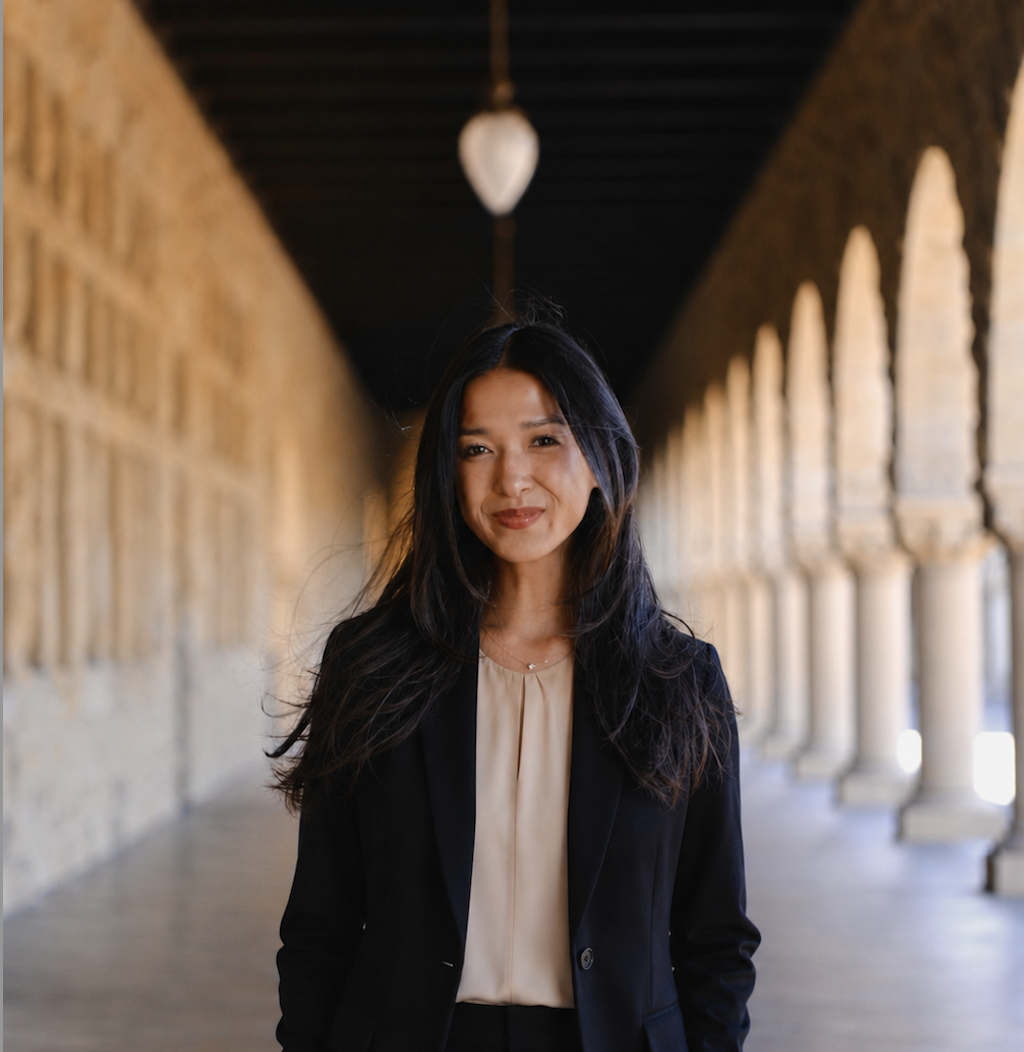
Nadia Chung is a Research Associate at More in Common with a background in the study of democratic governance, political communication, and public opinion. Her experiences researching democratic deliberation at Stanford, public attitudes toward governance in Europe, and labor and representation in the performing arts have shaped her interest in how people navigate disagreement, forge connections, and build lasting trust across difference. She holds a B.A. in Political Science and an M.A. in Communication from Stanford University.

Favorite MiC Finding:

Democrats and Republicans overestimate the proportion of their political opponents who hold extreme views by nearly a factor of two. On average, Americans believe that 55% of members of the opposing party hold extreme views, when in reality the figure is closer to 30%.

Source: The Perception Gap: How False Impressions Are Pulling Americans Apart

Why: Meaningful disagreement is an essential part of democratic life, but the belief that those who disagree with us are fundamentally extreme or unreasonable can make democratic engagement itself feel futile. What I find so compelling about this finding is that it suggests polarization may be fueled not only by our genuine differences, but also by the stories we tell ourselves about one another. If our misperceptions can create so much distance between us, then challenging that distortion through greater understanding may also hold the potential to bring us closer together.